
Delivering Distinction Through Every Real Estate Experience
Every client deserves a seamless, rewarding experience. We go above and beyond to make buying or selling your property feel effortless and rewarding.
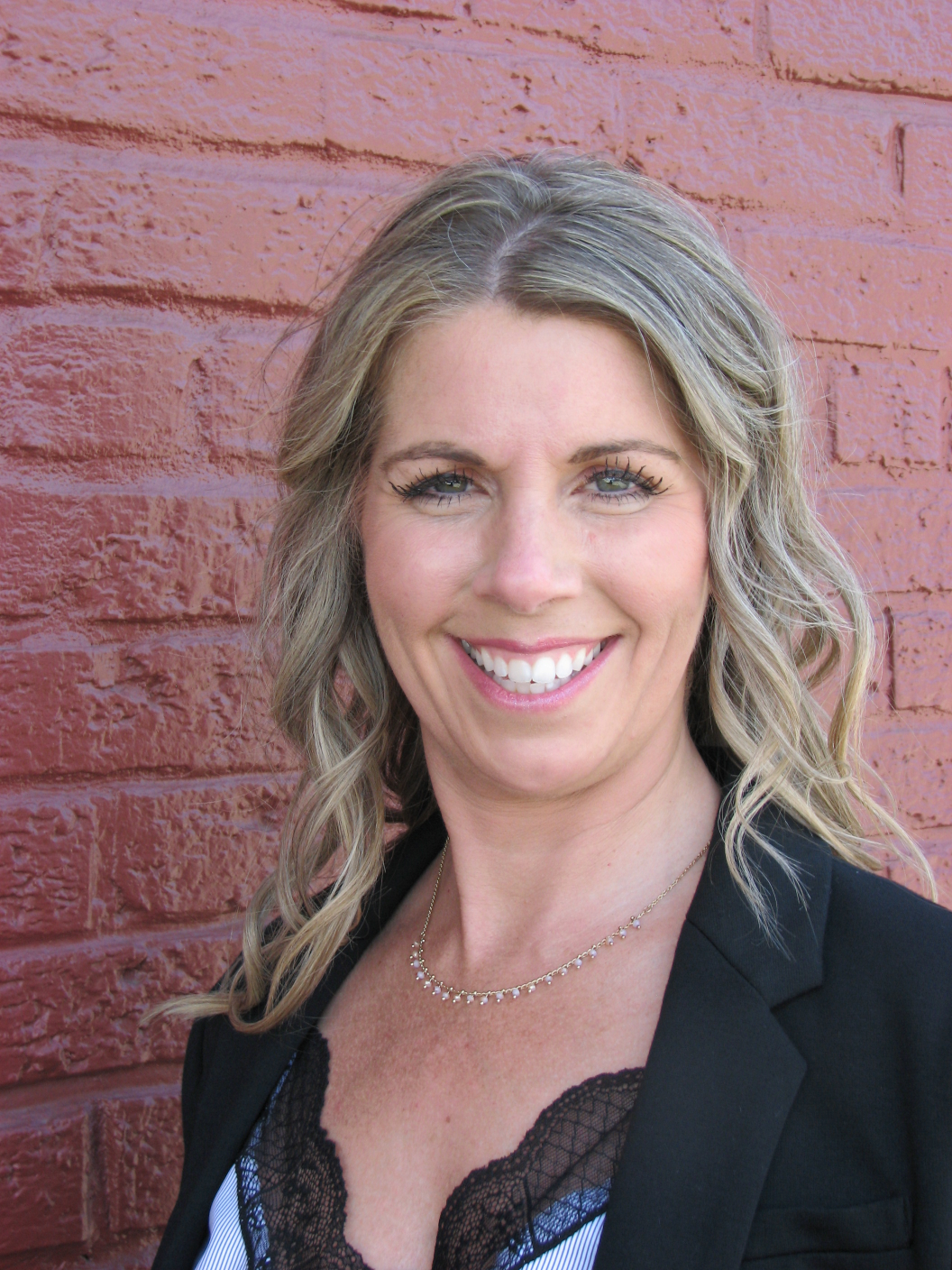
What Staci Calicoat Can Do For You
A few of the services offered...
Personalized Guidance Every Step of the Way
From your first consultation to closing day, we tailor every detail to your goals. Our team listens, advises, and ensures your real estate journey feels simple and stress-free.
Expert Market Knowledge
With deep insight into local trends and property values, we help you make confident, informed decisions—whether you’re buying your dream home or maximizing the value of your sale.
Seamless Transactions, Exceptional Results
We coordinate every detail behind the scenes so you can focus on what matters most. Our commitment to clear communication and efficient processes ensures a smooth experience from start to finish.
Ready to Get Started?
ABOUT
John L Scott Real Estate
John L. Scott Real Estate is a leading residential real estate company serving communities. The company is built on a foundation of integrity, innovation, and exceptional service. With thousands of experienced brokers and advanced marketing technology, John L. Scott provides comprehensive real estate services for buyers and sellers alike. Their mission is to help clients achieve their dreams of homeownership while delivering an outstanding real estate experience from start to finish.
Residential Buying & Selling
Luxury & Premier Properties
Relocation & Community Expertise
Get trends, tips and more sent to your inbox and phone
Subscribe for Updates
Stay in the loop effortlessly with monthly industry updates, tips and more. Complete the form below to sign up.
Recent Tips & Updates
Check out our latest posts from our blog...

How Much Cash Do You Really Need to Buy a Home?
When people start thinking about buying a home, one of the first questions they ask is:
“How much money do I actually need?”
Many buyers assume they need a 20% down payment before they can even begin. Others focus only on the down payment and are caught off guard when additional expenses appear closer to closing.
The reality is that the amount of cash you need depends on your loan program, the home you choose, your financial profile, and the terms you negotiate with the seller.
Your down payment is only one part of the equation.
Let’s break down the major expenses so you can prepare for homeownership with a clearer and more realistic plan.
The Down Payment
Your down payment is the portion of the purchase price you pay upfront rather than finance through your mortgage.
Although 20% is often treated as the standard, it is not the only option.
Depending on the loan program and your qualifications, you may be able to purchase a home with a much smaller down payment. Some conventional loans are designed for qualified buyers with limited upfront funds, while government-backed programs may offer additional flexibility.
Your available options could include:
Conventional financing with a lower down payment
FHA financing
VA financing for eligible service members and veterans
USDA financing for qualifying buyers and properties
State or local down payment assistance programs
A larger down payment can lower your monthly mortgage payment and may reduce certain loan costs. However, putting every available dollar into the down payment is not always the best financial strategy.
You still need money for closing expenses, moving, maintenance, and the unexpected realities of owning a home.
The goal is not simply to make the largest down payment possible. It is to choose a financing structure that leaves you financially stable after closing.
Closing Costs
Closing costs are the fees and expenses required to finalize the purchase and mortgage.
They are separate from the down payment and may include:
Loan origination and lender fees
Appraisal fees
Credit report fees
Title and escrow services
Recording fees
Prepaid property taxes
Homeowners insurance premiums
Interest collected before the first mortgage payment
Other expenses required by the loan or transaction
The exact total varies based on the lender, purchase price, property, loan type, closing date, and local requirements.
Your lender should provide an estimate during the financing process, but it is important to discuss these expenses early. Waiting until the final days before closing to understand the numbers can create unnecessary stress.
Ask your lender to explain not only the estimated cash needed to close, but also which charges are fixed, which could change, and when the money will be required.
Earnest Money
Earnest money is a deposit submitted after the seller accepts your offer.
It demonstrates that you are serious about purchasing the home. The funds are generally held in escrow and then credited toward the amount you owe at closing.
Because earnest money is submitted early in the transaction, buyers need to have it accessible before the closing date.
The amount and deadline are typically established in the purchase agreement. Your agent can explain how the deposit works, what protections are included in the contract, and what circumstances could place the money at risk.
Earnest money is not necessarily an additional cost, but it affects when you need to have part of your cash available.
Financial Reserves
Some mortgage programs or financial situations may require buyers to show that they have reserves remaining after closing.
Reserves are savings available to cover future housing payments and other expenses. They provide reassurance that you will not be left with an empty account immediately after purchasing the property.
Even when reserves are not formally required, keeping a financial cushion is a smart homeownership strategy.
After closing, you could encounter expenses such as:
A sudden appliance replacement
Utility deposits or setup fees
Minor repairs
New locks or security equipment
Landscaping or maintenance supplies
Furniture or window coverings
Higher-than-expected utility bills
Owning a home comes with more responsibility than renting. Preserving some cash after closing can make the transition much more comfortable.
The Costs Buyers Often Forget
The mortgage and closing paperwork are not the only places where expenses appear.
Some of the most common overlooked costs happen before and immediately after the purchase.
The Home Inspection
A professional inspection helps you understand the condition of the property before you complete the purchase.
Depending on the home and location, you may also choose or be advised to obtain specialized evaluations for areas such as the sewer line, septic system, well, roof, foundation, pests, or environmental concerns.
These inspections are valuable, but buyers should account for them in their upfront budget.
The Appraisal
Your lender will generally require an appraisal to evaluate the property and support the loan. The fee may be collected before closing or incorporated into the lender’s cost estimate.
Moving Expenses
Truck rentals, movers, storage units, packing supplies, time away from work, and utility transfers can add up quickly.
Even a local move can cost more than expected.
Immediate Purchases
Once buyers receive the keys, they often discover that they need items they did not need as renters.
That might include:
A refrigerator or washer and dryer
Lawn equipment
Curtains or blinds
Additional furniture
Paint and basic tools
Shelving or storage
Security equipment
Not everything needs to be purchased immediately. Prioritizing essentials and delaying cosmetic upgrades can help protect your savings.
Repairs and Maintenance
Even a well-maintained home will need ongoing care.
The inspection can help identify likely future expenses, but it cannot predict every issue. Creating a home maintenance fund gives you a place to draw from when something eventually needs attention.
How Buyers Can Reduce Their Upfront Cash Requirements
Needing less cash at closing does not always mean choosing the cheapest house or delaying your purchase for years.
There may be several ways to structure the transaction more strategically.
Explore Multiple Loan Programs
Different loans have different down payment, mortgage insurance, credit, and reserve requirements.
A strong lender can compare your available options rather than presenting only one path. The lowest down payment is not automatically the best loan, but it may help you preserve funds for other priorities.
Ask About Down Payment Assistance
Some buyers may qualify for assistance programs based on factors such as income, location, profession, military service, or first-time buyer status.
A “first-time buyer” may also be defined differently than many people assume. Someone who owned a home years ago could potentially qualify under certain program guidelines.
Because programs and funding can change, it is important to speak with a knowledgeable lender about what is currently available.
Negotiate Seller Contributions
Depending on the market, loan program, and strength of the offer, a seller may agree to contribute toward certain buyer closing costs.
This can reduce the amount the buyer needs to bring to closing.
However, seller contributions are part of the overall negotiation. A seller will evaluate the purchase price, financing, contingencies, timelines, and their estimated proceeds—not just one term in isolation.
Your agent and lender can help determine whether requesting a contribution makes sense and how it may affect the competitiveness of your offer.
Consider Lender Credits
Some lenders may offer a credit toward closing costs in exchange for different loan pricing or a higher interest rate.
This may reduce the upfront expense, but it can increase the cost of the loan over time. Ask the lender to show you the immediate savings and the longer-term impact before choosing this option.
Use Gift Funds When Permitted
Certain loan programs allow eligible buyers to use financial gifts from approved sources toward the down payment or closing costs.
These funds must usually be properly documented. Do not move large amounts of money between accounts or accept informal cash gifts without first speaking with your lender.
Proper documentation can prevent delays during underwriting.
Time the Closing Strategically
The closing date can affect prepaid interest, taxes, rent overlap, moving costs, and the timing of your first mortgage payment.
Timing alone will not eliminate closing expenses, but thoughtful scheduling may help improve cash flow during the transition.
Start With a Personalized Estimate
There is no single dollar amount that every buyer needs.
Two people purchasing similarly priced homes could have very different cash requirements based on their loan programs, negotiated terms, credit profiles, insurance costs, and financial goals.
Before assuming you need 20% down or assuming a low-down-payment loan means you are ready—build a complete estimate that includes:
Your down payment
Earnest money
Inspections
Closing costs
Moving expenses
Immediate home needs
Emergency reserves
That full picture gives you a much better understanding of what you can comfortably afford.
Knowledge Is the First Step Toward the Keys
Buying a home should not feel like a series of financial surprises.
The earlier you understand the process, the more time you have to improve your position, explore loan options, build your savings, and make confident decisions.
That is why I created The Ultimate Buyer’s Guide.
Inside, you will learn how to:
Understand the home-buying process
Avoid common buyer mistakes
Evaluate market conditions using real information
Prepare for an offer and closing
Move forward with greater clarity and confidence
Download The Ultimate Buyer’s Guide
Ready to Find Out What Buying Could Look Like for You?
You do not have to figure out every number by yourself.
If you are considering buying a home, I can help you understand the process, connect you with trusted lending resources, and create a strategy based on your needs and timeline.
Send me a message today, and let’s talk about your next move.

Let's Connect!
Here are a few ways you can get in touch...
(425) 299-0630
https://stacic.johnlscott.com/
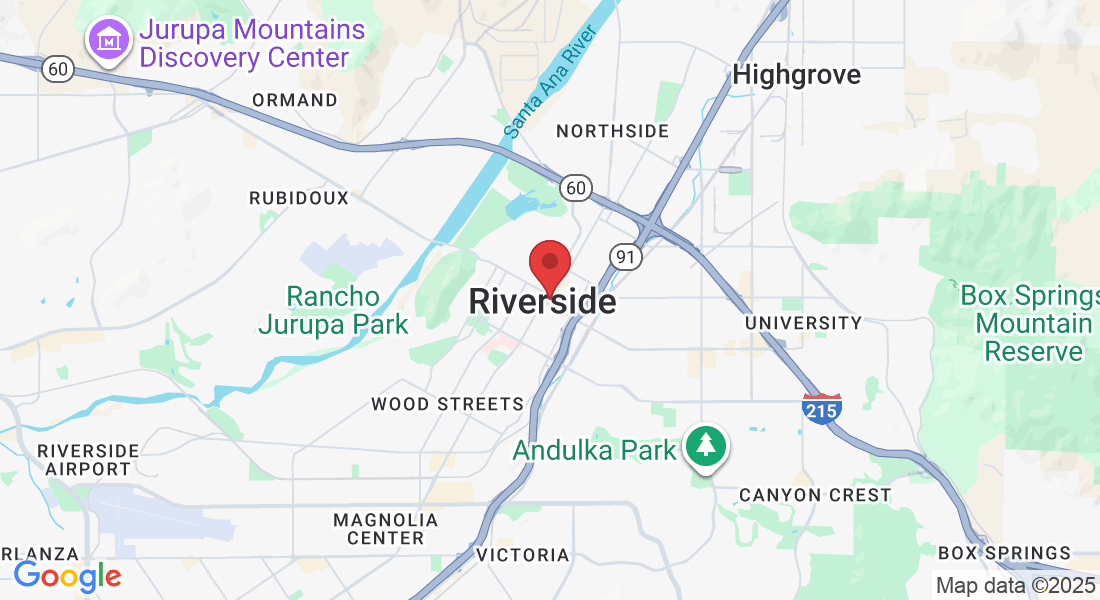
26500 222nd ave se, Maple Vallley Washington 98038


Staci Calicoat | Privacy Policy
License # 23000127
Read Our Latest Blogs
Lorem ipsum dolor sit amet, consectetur adipiscing elit.
How Much Cash Do You Really Need to Buy a Home?
When people start thinking about buying a home, one of the first questions they ask is:
“How much money do I actually need?”
Many buyers assume they need a 20% down payment before they can even begin. Others focus only on the down payment and are caught off guard when additional expenses appear closer to closing.
The reality is that the amount of cash you need depends on your loan program, the home you choose, your financial profile, and the terms you negotiate with the seller.
Your down payment is only one part of the equation.
Let’s break down the major expenses so you can prepare for homeownership with a clearer and more realistic plan.
The Down Payment
Your down payment is the portion of the purchase price you pay upfront rather than finance through your mortgage.
Although 20% is often treated as the standard, it is not the only option.
Depending on the loan program and your qualifications, you may be able to purchase a home with a much smaller down payment. Some conventional loans are designed for qualified buyers with limited upfront funds, while government-backed programs may offer additional flexibility.
Your available options could include:
Conventional financing with a lower down payment
FHA financing
VA financing for eligible service members and veterans
USDA financing for qualifying buyers and properties
State or local down payment assistance programs
A larger down payment can lower your monthly mortgage payment and may reduce certain loan costs. However, putting every available dollar into the down payment is not always the best financial strategy.
You still need money for closing expenses, moving, maintenance, and the unexpected realities of owning a home.
The goal is not simply to make the largest down payment possible. It is to choose a financing structure that leaves you financially stable after closing.
Closing Costs
Closing costs are the fees and expenses required to finalize the purchase and mortgage.
They are separate from the down payment and may include:
Loan origination and lender fees
Appraisal fees
Credit report fees
Title and escrow services
Recording fees
Prepaid property taxes
Homeowners insurance premiums
Interest collected before the first mortgage payment
Other expenses required by the loan or transaction
The exact total varies based on the lender, purchase price, property, loan type, closing date, and local requirements.
Your lender should provide an estimate during the financing process, but it is important to discuss these expenses early. Waiting until the final days before closing to understand the numbers can create unnecessary stress.
Ask your lender to explain not only the estimated cash needed to close, but also which charges are fixed, which could change, and when the money will be required.
Earnest Money
Earnest money is a deposit submitted after the seller accepts your offer.
It demonstrates that you are serious about purchasing the home. The funds are generally held in escrow and then credited toward the amount you owe at closing.
Because earnest money is submitted early in the transaction, buyers need to have it accessible before the closing date.
The amount and deadline are typically established in the purchase agreement. Your agent can explain how the deposit works, what protections are included in the contract, and what circumstances could place the money at risk.
Earnest money is not necessarily an additional cost, but it affects when you need to have part of your cash available.
Financial Reserves
Some mortgage programs or financial situations may require buyers to show that they have reserves remaining after closing.
Reserves are savings available to cover future housing payments and other expenses. They provide reassurance that you will not be left with an empty account immediately after purchasing the property.
Even when reserves are not formally required, keeping a financial cushion is a smart homeownership strategy.
After closing, you could encounter expenses such as:
A sudden appliance replacement
Utility deposits or setup fees
Minor repairs
New locks or security equipment
Landscaping or maintenance supplies
Furniture or window coverings
Higher-than-expected utility bills
Owning a home comes with more responsibility than renting. Preserving some cash after closing can make the transition much more comfortable.
The Costs Buyers Often Forget
The mortgage and closing paperwork are not the only places where expenses appear.
Some of the most common overlooked costs happen before and immediately after the purchase.
The Home Inspection
A professional inspection helps you understand the condition of the property before you complete the purchase.
Depending on the home and location, you may also choose or be advised to obtain specialized evaluations for areas such as the sewer line, septic system, well, roof, foundation, pests, or environmental concerns.
These inspections are valuable, but buyers should account for them in their upfront budget.
The Appraisal
Your lender will generally require an appraisal to evaluate the property and support the loan. The fee may be collected before closing or incorporated into the lender’s cost estimate.
Moving Expenses
Truck rentals, movers, storage units, packing supplies, time away from work, and utility transfers can add up quickly.
Even a local move can cost more than expected.
Immediate Purchases
Once buyers receive the keys, they often discover that they need items they did not need as renters.
That might include:
A refrigerator or washer and dryer
Lawn equipment
Curtains or blinds
Additional furniture
Paint and basic tools
Shelving or storage
Security equipment
Not everything needs to be purchased immediately. Prioritizing essentials and delaying cosmetic upgrades can help protect your savings.
Repairs and Maintenance
Even a well-maintained home will need ongoing care.
The inspection can help identify likely future expenses, but it cannot predict every issue. Creating a home maintenance fund gives you a place to draw from when something eventually needs attention.
How Buyers Can Reduce Their Upfront Cash Requirements
Needing less cash at closing does not always mean choosing the cheapest house or delaying your purchase for years.
There may be several ways to structure the transaction more strategically.
Explore Multiple Loan Programs
Different loans have different down payment, mortgage insurance, credit, and reserve requirements.
A strong lender can compare your available options rather than presenting only one path. The lowest down payment is not automatically the best loan, but it may help you preserve funds for other priorities.
Ask About Down Payment Assistance
Some buyers may qualify for assistance programs based on factors such as income, location, profession, military service, or first-time buyer status.
A “first-time buyer” may also be defined differently than many people assume. Someone who owned a home years ago could potentially qualify under certain program guidelines.
Because programs and funding can change, it is important to speak with a knowledgeable lender about what is currently available.
Negotiate Seller Contributions
Depending on the market, loan program, and strength of the offer, a seller may agree to contribute toward certain buyer closing costs.
This can reduce the amount the buyer needs to bring to closing.
However, seller contributions are part of the overall negotiation. A seller will evaluate the purchase price, financing, contingencies, timelines, and their estimated proceeds—not just one term in isolation.
Your agent and lender can help determine whether requesting a contribution makes sense and how it may affect the competitiveness of your offer.
Consider Lender Credits
Some lenders may offer a credit toward closing costs in exchange for different loan pricing or a higher interest rate.
This may reduce the upfront expense, but it can increase the cost of the loan over time. Ask the lender to show you the immediate savings and the longer-term impact before choosing this option.
Use Gift Funds When Permitted
Certain loan programs allow eligible buyers to use financial gifts from approved sources toward the down payment or closing costs.
These funds must usually be properly documented. Do not move large amounts of money between accounts or accept informal cash gifts without first speaking with your lender.
Proper documentation can prevent delays during underwriting.
Time the Closing Strategically
The closing date can affect prepaid interest, taxes, rent overlap, moving costs, and the timing of your first mortgage payment.
Timing alone will not eliminate closing expenses, but thoughtful scheduling may help improve cash flow during the transition.
Start With a Personalized Estimate
There is no single dollar amount that every buyer needs.
Two people purchasing similarly priced homes could have very different cash requirements based on their loan programs, negotiated terms, credit profiles, insurance costs, and financial goals.
Before assuming you need 20% down or assuming a low-down-payment loan means you are ready—build a complete estimate that includes:
Your down payment
Earnest money
Inspections
Closing costs
Moving expenses
Immediate home needs
Emergency reserves
That full picture gives you a much better understanding of what you can comfortably afford.
Knowledge Is the First Step Toward the Keys
Buying a home should not feel like a series of financial surprises.
The earlier you understand the process, the more time you have to improve your position, explore loan options, build your savings, and make confident decisions.
That is why I created The Ultimate Buyer’s Guide.
Inside, you will learn how to:
Understand the home-buying process
Avoid common buyer mistakes
Evaluate market conditions using real information
Prepare for an offer and closing
Move forward with greater clarity and confidence
Download The Ultimate Buyer’s Guide
Ready to Find Out What Buying Could Look Like for You?
You do not have to figure out every number by yourself.
If you are considering buying a home, I can help you understand the process, connect you with trusted lending resources, and create a strategy based on your needs and timeline.
Send me a message today, and let’s talk about your next move.